
Rachel Neville, LPC | Trauma Therapist in Tucson, AZ
Deep Brain Reorienting (DBR) Trauma Therapist in Tucson

Trauma Therapy in Tucson
Trauma Therapy Tucson
WHAT IF YOU DIDN'T HAVE TO RELIVE YOUR TRAUMA TO HEAL FROM IT?
You’re probably not okay if you’re reading this — overwhelmed maybe, hopeless perhaps, or on the brink of ending it all. If that’s you, and you’re over 40 and and you want a therapist who will be direct with you and take a no-fluff approach to therapy, keep reading.
Trauma Therapist in Tucson
RACHEL NEVILLE, LPC
Welcome! I am a Licensed Professional Counselor (LPC) and neuroscience-informed trauma therapist in Tucson, AZ. I work with adults who carry the long-term effects of trauma—especially when it shows up as dissociation, emotional overwhelm, or a persistent sense of being stuck. I specialize in the use of Deep Brain Reorienting (DBR), Trauma Model Therapy, and Ego State Therapy to treat complex trauma and dissociation. These approaches allow us to work with trauma at its source—often without needing to relive overwhelming memories. I offer in person counseling to adults 40+ (and have a heart for working with the age 65 and better population, law enforcement, military, and veterans).
My approach is direct, relational, and grounded in how the brain and nervous system actually process trauma. I’m not interested in surface-level coping if something deeper is driving what you’re experiencing. At the same time, I don’t believe in pushing people faster than their system can handle. Therapy with me is both steady and intentional—we go to the root, but we do it in a way that respects your capacity. More than anything, I aim to create a space where you feel met. Not analyzed from a distance, not rushed—but understood in a way that actually helps things shift.
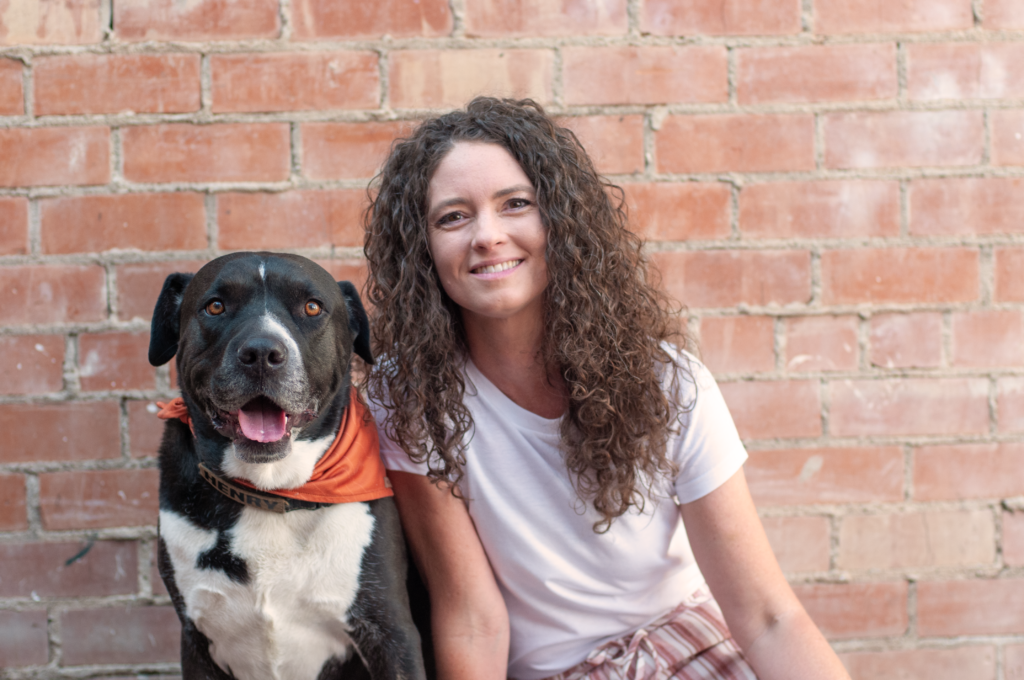
If it’s important to you to have your Christian faith woven into trauma therapy, I have a comfortable and nonjudgmental way of weaving this into the counseling process. If you have been wounded by Christians, or this is not your faith-structure, please know that I offer the same skilled approach with clients of all faith backgrounds and from all walks of life. I think you’ll find me to be humble, deeply compassionate, and accepting of all that makes you, you. I am the founder and owner of Joshua Tree Counseling, a unique group counseling collective in Tucson. I have a therapy dog, Henry, who joins me in sessions.

Education
Master of Science, Professional Counseling
Grand Canyon University, 2019
Bachelor of Arts, Psychology
University of Arizona, 2003
Consultation
Martin Alexander – AT/DBR (current)
Cindy Shrigley – DBR (past)
Wendy Lemke – EST (past)
Dr. Sandra Paulsen – NEST (past)
Dr. Julie Christie-Sands – DBR (past)

Expertise
Deep Brain Reorienting, Corrigan, Level I-III
Trauma Model Therapy, Colin Ross, Certified
Ego State Therapy, Lemke, Level I-II
Clinical Hypnosis, Lemke-ASCH, Level I-II
Somatic Experiencing, Beginning I
Internal Family Systems, Circle Program
ISST-D Professional Training Program, Level I-III
Neuroaffective Embodied Self-System Therapy, Sandra Paulsen
Eye Movement Desensitization & Reprocessing, EMDRIA-Trained
Deep Brain Reorienting®
Deep Brain Reorienting® is a revolutionary new trauma psychotherapy that has the ability to resolve the negative and lasting impacts of trauma on the brain and body. When the lower levels of the drain, i.e. the deep brain, alerts to threat or attachment disruption, a very specific sequence of physiology occurs in the body: an orienting tension, shock, and affect. DBR activates and tracks the original sequence of physiological responses and helps to clear the shock and process the affect associated with emotionally painful experiences – even when there is a lifetime of chronic trauma; even when dissociation has been the primary survival mode; and even when other models failed. DBR is tolerable and we can often begin with very little preparatory steps or massive intake process and assessments.
It’s no secret that shock and pain are associated with traumatic experiences. Emotional pain such as aloneness, rejection, abandonment, and humiliation are sometimes experiences so often and so deeply that they get stuck in the body and then triggered over and over go in the present as if responding to the original threat. Affect, or emotions, such as rage/anger, terror/fear, grief, sadness, guilt or shame are often supercharged by unprocessed Shock. So, by slowing down the sequence into slow motion and clearing the Shock, the emotions can process with less charge. Dissociation originates from the brain, giving the mind and body a particular experience of turning away because it’s too much to bear; derealization/depersonalization; numbing/analgesia, dizzy or floaty; or structurally into separate and distinct parts. DBR works in the lower levels of the brain to clear the original physiological sequence that occured in response to threat or relational mis-attunement. It is evidence-based for the treatment of PTSD and is currently in clinical trials to widen the scope of it’s evidence base. we
Trauma Model Therapy
Trauma Model Therapy (TMT) is an evidence-based, structured approach to psychotherapy designed to help individuals heal from the lasting effects of trauma. Combining cognitive therapy with experiential techniques, TMT helps clients understand the root causes of emotional distress, improve daily functioning, and create lasting change.
At the heart of TMT is the understanding that unresolved trauma often contributes to a wide range of mental health challenges, including anxiety, depression, addiction, relationship difficulties, and dissociation. This approach focuses on addressing two common consequences of childhood maltreatment: unhealthy attachment to those who caused harm and a loss of personal agency or control.
As clients work through these patterns, they often experience greater emotional freedom, healthier relationships, increased self-awareness, and a stronger sense of empowerment. TMT can be effective for individuals experiencing a wide variety of mental health concerns and is tailored to each person’s unique story and goals.
Ego State Therapy
Ego State Therapy (EST) is a specialized parts-work approach that helps clients create meaningful change by working directly with different aspects of themselves, often called ego states or parts. These parts can hold distinct emotions, beliefs, memories, coping strategies, and ways of relating to the world.
Rather than viewing these parts as problems to eliminate, EST helps clients understand how they developed and the important roles they have played throughout life. Many ego states emerge through repeated experiences over time, becoming deeply ingrained patterns that influence thoughts, feelings, behaviors, and relationships.
Through a collaborative and compassionate process, Ego State Therapy helps clients build greater internal awareness, resolve inner conflicts, and heal wounded parts of themselves. It has a long history of effectiveness in the treatment of complex trauma, dissociation, anxiety, and other trauma-related concerns, helping individuals experience greater wholeness, flexibility, and emotional well-being.
Christian Counseling
In Christian trauma therapy, “spiritual warfare” refers to a Christian framework through which trauma is understood in light of our origin story as image bearers of God, the reality of the Fall, and the ongoing battle between good and evil (Ephesians 6:12; 2 Corinthians 10:4). From this perspective, trauma is not simply a psychological wound but an experience that can affect every aspect of a person’s life—including their sense of identity, relationships, purpose, and connection with God.
Trauma therapy with a spiritual warfare flare combines evidence-based psychotherapy with an awareness of God’s active and powerful presence in the world. Grounded in the hope that Christ has already overcome darkness (John 1:5-7; Colossians 2:15), this approach may include exploring themes such as identity in Christ, lies and truth, forgiveness, prayer, discernment, and the ways trauma can impact a person’s spiritual life.
Weaving spiritual warfare principles into trauma therapy can be done thoughtfully and eloquently, without dogma, fear, or shame, and only when requested by the client. The therapeutic process remains collaborative, respectful, and client-centered, honoring both the complexity of trauma and the deeply personal nature of faith.
HENRY
the therapy dog

From Henry: I found my human, Rachel, after a lonely start in life, but I know now that I was meant to be by her side. My first name was Earl (she thought Henry suited me better). We are deeply bonded—she calls me her soul dog, and I proudly wear that title. I help her through the hard days, and I help her trauma therapy clients too. I sit with them quietly on the couch while they work through (sometimes unspeakable) trauma. Sometimes all it takes is my steady breathing or resting my big head gently on their leg for them to feel safe. My human says I’m on a few websites, but I don’t really care too much about that. I just like getting treats and belly rubs and meeting new people. I hear people say I’m a “gentle giant.” I guess I’m big, but I think I’m small and curl up like a kitty cat in the corner of the couch. I’m happy wherever my human is, and I go wherever she goes – restaurants, Tractor Supply, road trips… I love long walks and sitting in chairs (apparently this surprises people but I just think its normal; not all dogs sit at the dining room table with their families?). I am good with children and babies, pesky puppies, and wounded hearts. I don’t slobber, jump or bark.
I may have started out unwanted, but today I belong—and I bring a that comfort of belonging to everyone I meet.


What difference would it make in your life and relationships if the past no longer haunted you, if you felt more in control, had better boundaries, and found peace, maybe a little joy?
On a More Personal Note
My hobbies include long walks with my dog Henry; reading and writing; creating cozy spaces; and learning about the amazing brain which God designed with intricate and complex wisdom and beauty. I love old bookshops with creaky floors; and chalky, ominous monsoon skies. I love being out in nature before the world is awake and watching the first light come into the sky. If I ever just up and disappear (Where’d you go Bernadette-style), you’ll likely find me in Ireland – on a train through the countryside, on the cliffs of Kerry, in a cafe on the streets of Dublin, or drinking tea on the grassy knoll at Trinity college. However, the desert is my home and where I was born and raised. I have three sisters and we all still live within a 5 mile radius, and my parents too. My three children (given by God through adoption) are grown now, some with babies of their own, so believe it or not I am a grandmother! Horses were a big part of my life for while; and I’m getting back into running.
I look forward to meeting you and getting to know you better!


JOSHUA TREE COUNSELING
Trauma therapy is more like an archeological excavation than digging for treasure. Soft brushes, time and layers are needed, not a shovel, haste and brute force. While I can’t promise it will be easy to embark on a trauma-healing journey, as a skilled trauma therapist, I can promise to walk the road with you so we can forge the path forward together. Trauma can cause loneliness, a damaged sense of self-worth, and mistrust and I’m sensitive to the fact that your attachment system has likely been quite wounded. The first goal of trauma therapy is simply to begin to develop safety, connection, and trust.

Schedule
Mon-Thurs 9am-5:30pm
Joshua Tree Counseling
7522 N La Cholla Blvd
Tucson, AZ 85741
(520) 308-4999 text/call
(520) 844-8136 fax
Fees
Standard Rate: $150/hr
I provide counseling on a private pay basis and do not accept insurance. A credit or debit card (including HSA cards) must be on file prior to your first appointment and is automatically charged at the time of each session. While I do not accept insurance, I can provide a superbill which you can submit to your insurance as part of your out-of-network benefits.
The cost of counseling is a very important part of the decision about which therapist is right for you. It’s important to know that counseling fees vary by therapist, region, time, and specialty. It is true therapy costs money but it also takes time and requires a high level of commitment from both you and me. Therapy as an investment in your future. It can literally change the course of your your future and your relationships, and bring you to a place of healing. It could even save your life.
Superbills for Out-of-Network Insurance Benefits
It is important to know that I do not accept insurance. I do offer superbills that you can submit to your insurance company for reimbursement. A superbill is an itemized statement of services that includes all the information an insurance company would need to set me up as an out-of-network provider as well as the type of service you were provided (psychotherapy), fees paid, and your diagnosis. Essentially you pay for therapy at the time of service, submit an itemized statement of fees paid, and if you are eligible, your insurance company reimburses you after deductibles are met.
Good Faith Estimates
You have the right to receive a “Good Faith Estimate” explaining how much your therapeutic services will cost. Under the recently enacted No Surprises Act, health care providers need to give patients who don’t have insurance or who are not using insurance an estimate of the bill for medical items and services. You have the right to receive a Good Faith Estimate for the total expected cost of any non-emergency items or services. You are entitled to a Good Faith Estimate in writing at least 1 business day before your medical service or item. You can also ask your health care provider, and any other provider you choose, for a Good Faith Estimate before you schedule an item or service. If you receive a bill that is at least $400 more than your Good Faith Estimate, you can dispute the bill. Make sure to save a copy or picture of your Good Faith Estimate. For questions or more information about your right to a Good Faith Estimate, visit www.cms.gov/nosurprises or call 1-800-985-3059.

Contact
Get in Touch
I am a Tucson trauma therapist and provide in person counseling only. If you are 40+ and would like to begin trauma therapy, you can fill out the form below to be added as a waitlist client. If you are flexible and able to take cancellation spots, it shouldn’t be long before I can get you in and then you’ll be added to the list for a first available regular spot.